How Hypoxic-Ischemic Encephalopathy (HIE) Happens—and Why It Is Often Preventable
 Miller & Gaudio PC
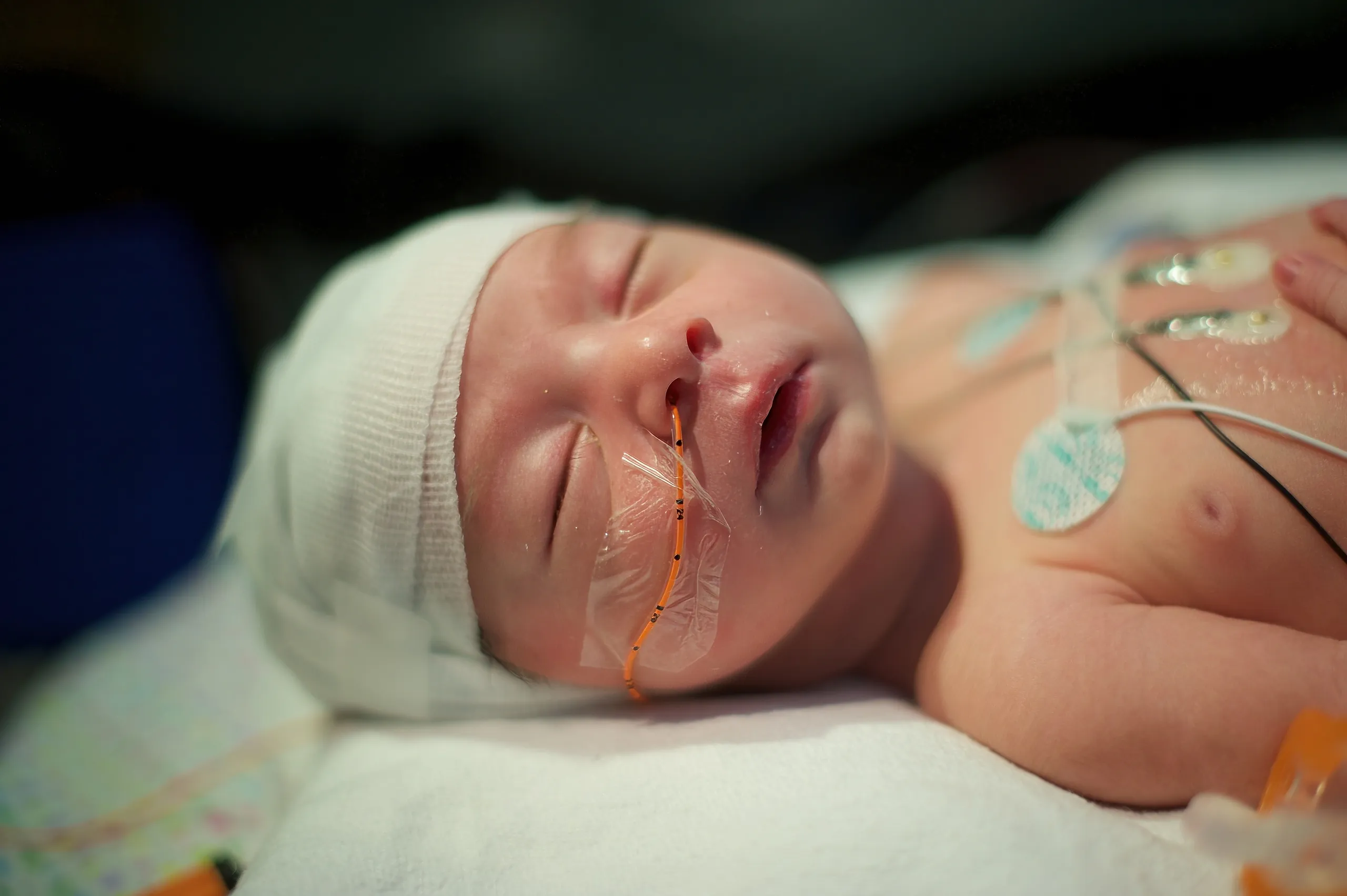
Hypoxic-ischemic encephalopathy (HIE) is a serious birth-related brain injury caused by oxygen deprivation and reduced blood flow to a baby’s brain. The condition is both hypoxic (low oxygen) and ischemic (restricted blood flow). Together, these two events can cause widespread and sometimes permanent damage to delicate brain tissue.

HIE is most commonly diagnosed in the first days after birth. It can result in a range of outcomes, from mild developmental delays to severe disabilities such as:
Some infants tragically do not survive. What makes this condition even more devastating is that many cases of HIE are preventable if doctors and nurses act quickly during labor and delivery.
The newborn brain requires a steady supply of oxygen and nutrients to function properly. Even short interruptions in oxygen flow can set off a chain reaction of injury.
Events like umbilical cord compression, placental abruption, or uterine rupture can reduce the oxygen delivered to the baby. If blood flow is compromised, the baby’s brain is the first major organ to suffer.
Without oxygen, brain cells switch to anaerobic metabolism. This leads to a toxic buildup of lactic acid, which damages cell membranes. Brain cells begin to die, releasing harmful chemicals that spread injury to nearby healthy cells.
Even if the baby is resuscitated, the injury process continues. Swelling (edema), seizures, and inflammation can worsen the damage in the hours following birth. Doctors often call this the secondary energy failure stage.
Because this sequence is well understood in medicine, healthcare providers are trained to recognize risks and act quickly. Failure to intervene in time can mean the difference between recovery and lifelong disability.
While some cases occur despite the best medical care, a significant percentage of HIE diagnoses are linked to avoidable errors. The following are some of the most common preventable causes.
An emergency cesarean delivery is one of the most important tools for preventing HIE. When a baby shows signs of distress — for example, an abnormal heart rate pattern — delivery must happen quickly to restore oxygen.
A delayed emergency C-section can occur due to:
Every minute of delay matters. A prolonged lack of oxygen increases the risk of newborn brain oxygen deprivation and permanent injury.
Modern obstetrics relies heavily on electronic fetal monitoring to track the baby’s heart rate during labor. These patterns can reveal distress, such as slowed or irregular heartbeats, that suggest the baby is not getting enough oxygen.
Unfortunately, warning signs are sometimes overlooked or misinterpreted. Examples include:
If these red flags are not acted on quickly, the baby may develop hypoxic-ischemic encephalopathy. This is a classic example of a preventable birth injury oxygen deprivation scenario.
The umbilical cord is the baby’s lifeline, supplying oxygen and nutrients. Problems such as cord compression, nuchal cord (wrapped around the neck), or prolapse (cord slips into the birth canal first) can reduce or block oxygen flow.
When this occurs, immediate intervention is necessary. Options may include repositioning the mother, relieving pressure on the cord, or performing a rapid C-section. Failure to recognize and respond quickly can lead to severe birth-related brain injury.
Some babies require resuscitation immediately after delivery due to lack of oxygen. Standard procedures involve stimulating the baby, providing ventilation, or giving supplemental oxygen.
If healthcare providers fail to:
…then brain damage may occur. This is often categorized as avoidable neonatal hypoxia and ischemia outcomes because the medical team had the ability to prevent permanent harm.
Not every case of HIE results from negligence. Sometimes, complications develop so suddenly and severely that even the best-trained doctors cannot prevent injury.
However, negligence is suspected when:
In these cases, families are often left asking:
“Could my baby’s brain damage have been avoided?”
The reality is that many HIE cases could and should have been prevented. This is where medical negligence comes into focus.
Understanding this distinction is key for families:
This difference often forms the basis for birth injury lawsuits. Parents deserve to know whether their child’s injury was caused by negligence or unavoidable circumstances.
Parents should be aware of the common symptoms that may suggest HIE after birth. If your newborn experienced any of the following, it may indicate a preventable oxygen-related injury:
If these signs appear, request a full medical evaluation. In some cases, brain imaging (like MRI) or EEGs may confirm an HIE diagnosis.
Families should also consider whether medical staff acted quickly enough during labor and delivery. If not, this may point to a malpractice-related cause of HIE in infants.
Is HIE always caused by medical negligence?
Not always. Some cases of HIE are the result of sudden, unavoidable complications, even with proper medical care. However, many cases are linked to medical negligence, such as failing to perform a timely C-section, ignoring fetal distress, or providing inadequate neonatal resuscitation. Families often need legal help to determine whether negligence was a factor.
What are the early warning signs of preventable birth asphyxia?
The most common warning signs include:
What symptoms might suggest HIE in a newborn?
Possible symptoms include:
Can babies recover from hypoxic-ischemic encephalopathy?
The outcome depends on the severity of oxygen loss and how quickly treatment began. Some infants with mild HIE recover fully, especially if treated with therapies like cooling (hypothermia therapy). Severe cases may lead to lifelong challenges such as cerebral palsy, seizures, or developmental delays.
What should families do if they suspect medical negligence caused HIE?
If you believe your child’s brain injury was preventable, the first step is to request and review all medical records. Next, consult with a birth injury lawyer who can evaluate whether medical negligence contributed to your child’s condition. An attorney can guide you through the legal process and help secure resources for your child’s long-term care.
Hypoxic-ischemic encephalopathy is one of the most devastating injuries a newborn can face. The lifelong consequences — medical, emotional, and financial — are overwhelming for families.
But with proper awareness and accountability, many cases can be prevented. Hospitals and doctors have a duty to:
When they fail, families deserve answers — and the chance to hold negligent parties accountable.
If your baby suffered from hypoxic-ischemic encephalopathy or another preventable birth injury, you don’t have to face this alone. Medical negligence cases are complex, and families often struggle to get straight answers from hospitals.
Contact us today for a free case evaluation. Our experienced attorney can help determine whether negligence played a role, guide you through your legal options, and fight for the compensation your child deserves.