How Comparative Negligence Affects Your Recovery in New Jersey

 Miller & Gaudio PC
If you’ve been injured in a slip and fall accident in New Jersey — whether in a grocery store, parking lot, apartment building, or other property — and you believe you may have been partially responsible, you may be wondering:
Can I still recover damages if I wasn’t fully blameless?
In many states, the answer would be no. But New Jersey follows a more flexible legal standard called modified comparative negligence, which may still allow you to recover compensation — as long as you were not more than 50% at fault for the accident.
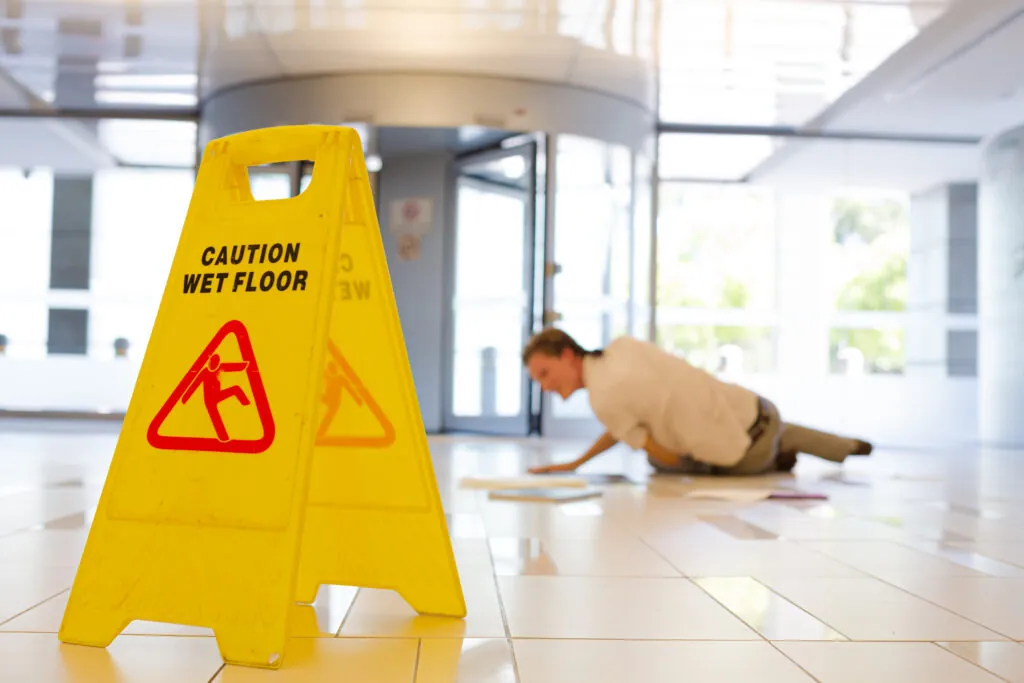
This article breaks down how comparative negligence works in New Jersey slip and fall claims, how fault is calculated, what kinds of compensation may be available, and what steps to take if you were injured — even if you may share some of the blame.
Comparative negligence is a legal doctrine used to determine how responsibility (or “fault”) is shared between parties in an accident. Instead of requiring that one party be 100% at fault, this rule allocates responsibility proportionally — and your compensation is adjusted accordingly.
These scenarios involve shared liability, which is where comparative negligence applies.
This system offers fairness — allowing you to recover damages when the property owner was mainly responsible, while holding you accountable for your own actions.
New Jersey follows what is known as the “51 percent bar rule”, a modified version of comparative negligence.
This means that you can only recover compensation if you are 50% or less responsible for the accident. If you are found to be 51% or more at fault, you cannot recover any damages at all.
Slip and fall cases are often disputed. Property owners or insurers may argue:
Even a slight increase in your assigned fault can drastically reduce (or eliminate) your compensation.
That’s why it’s crucial to document the scene and consult a lawyer quickly to protect your rights.
Determining fault in a slip and fall case involves careful analysis of the scene, behavior of the property owner, and your actions.
It is not a matter of opinion. Fault is assigned based on evidence and legal standards.
Even a 5% swing in fault could significantly affect your payout. If you’re found just over 50%, you get nothing — which is why having legal counsel is essential in close cases.
If you’ve been injured in a slip and fall accident and believe the property owner was negligent — but you may also share some blame — you can still file a claim.
You don’t need to be blameless — just not more than 50% at fault.
1. Get Medical Treatment Immediately
Your health comes first. It also creates an official record of the injury. Delays can be used by insurers to argue that your injury wasn’t serious or wasn’t caused by the fall.
2. Report the Incident
If the fall occurred in a store, restaurant, or office building, report it to management right away and ask for a copy of the incident report.
3. Document the Scene
Take photos of:
4. Avoid Admitting Fault
Don’t apologize or make statements like “I should have been more careful.” These can be used against you by insurance adjusters later.
5. File Within the Statute of Limitations
In New Jersey, you have 2 years to file a personal injury lawsuit. If the fall happened on public property, you may need to file a notice with the government agency within 90 days.
6. Contact a Personal Injury Lawyer
A lawyer can evaluate the facts of your case, dispute unfair fault assignments, and guide you through every step of the claim.
In slip and fall cases, your total compensation is based on the full value of your damages, then reduced by your percentage of fault.
But if you’re 51% at fault, you receive nothing. That’s why it’s important to dispute any inflated fault assignments.
Slip and fall incidents are often more serious than people expect. Falls can result in severe injuries — especially for older adults — and can require months or years of recovery.
Even if you walked away after the fall, don’t assume you’re fine. Some injuries develop over time — and early documentation helps support your claim.
You slipped on spilled milk in the grocery store aisle. There were no warning signs, and staff failed to clean it for over 30 minutes. However, you were walking quickly and didn’t notice the spill.
You fall on ice outside your apartment building. The landlord failed to salt the walkway. However, you wore shoes with poor traction and had previously been warned to use a different entrance.
What happens if I’m found 51% at fault?
You are barred from recovery. Under New Jersey’s 51% bar rule, if you are more than half responsible, you cannot receive any compensation — even if your injuries are serious.
What if fault is shared 50/50?
You can still recover 50% of your damages. Each party is responsible for their share of fault. If your damages were $100,000, you would receive $50,000.
Who determines fault in a slip and fall case?
Initially, the insurance company may propose a fault percentage. If the case goes to court, a judge or jury will determine how fault is shared based on evidence and testimony.
Can I challenge the insurance company’s fault assessment?
Yes. Insurance companies often try to assign more blame to you to reduce what they owe. A personal injury attorney can collect additional evidence and negotiate a more favorable settlement, or take the case to court.
What if I admitted fault at the scene?
Saying “I should’ve been more careful” doesn’t automatically ruin your case. These statements may be used against you, but your attorney can put them in context and argue that your fault was minor or misinterpreted.
If you slipped and fell on someone else’s property in New Jersey, don’t assume you’re out of options just because you were partially at fault. As long as you were 50% or less responsible, you still have a right to seek compensation under New Jersey’s comparative negligence law.
But these cases are often contested — and even small changes in fault percentages can mean the difference between winning thousands of dollars or walking away with nothing.
At The Law Office of Miller & Gaudio PC, we know how to fight for slip and fall victims in complex shared-fault cases.
Let us help you:
Call us today for a free consultation and get the guidance you need to move forward.
Even if you weren’t completely blameless, you still deserve justice.