How to Preserve Evidence After a Crash—and Why Timing Is Critical
 Miller & Gaudio PC
When you’re involved in a car accident, time moves quickly—but what you do in the minutes, hours, and days that follow can significantly impact your ability to recover compensation. If you’re considering filing a personal injury claim, one of the most important steps you can take is to preserve key evidence.

Evidence serves as the backbone of your case. Whether you’re dealing with the other driver’s insurance company or preparing for a legal battle in court, the ability to prove fault, demonstrate injury, and show damages will make all the difference.
In this comprehensive guide, we’ll walk you through the types of evidence you need, how to collect and protect it, and what legal considerations you should know. We’ll also cover injuries, compensation, how to file a claim, and frequently asked questions to help you protect your rights from the moment a crash occurs.
Preserving evidence after a car accident isn’t optional—it’s essential to the success of your claim. Evidence is what turns your story into a provable legal argument. Without it, your claim becomes speculative, and insurance adjusters or defense attorneys can dispute your account.
Every moment that passes after a crash puts your evidence at risk. Skid marks fade, video gets deleted, memories become unreliable. If you wait too long, you may lose the very proof you need to win.
Collecting a variety of evidence types strengthens your case by painting a clear, detailed picture of the incident. Here’s a breakdown of the essential categories:
Visual documentation is the most immediate and convincing form of evidence. Use your smartphone to take:
Whenever possible, use timestamp features or note the date and time in a log. This helps establish when the evidence was collected.
Dash cams are increasingly used in personal vehicles and fleet vehicles. These devices may record:
Don’t rely on the dash cam to save files automatically—many overwrite data within 24-48 hours. If nearby buildings or traffic cameras captured the crash, you may be able to request footage, but act quickly—most are deleted after a few days.
Witnesses can provide unbiased accounts that corroborate your version of events. Get:
The value of a witness increases over time as memories fade, so capturing their statements promptly is critical.
An official police report typically includes a diagram of the crash, statements from both drivers, witness input, citations issued, and a preliminary opinion on fault. This document is influential in negotiations and trials.
Medical documentation is equally vital. Keep records of:
These documents prove your injuries are real, accident-related, and costly.
Take note of anything that might have contributed to or resulted from the crash:
Detailed environmental photos help show the context of the crash, which can support your argument for liability.
Navigating the aftermath of a crash can be chaotic, but a structured approach to collecting evidence can make all the difference.
Your first responsibility is ensuring that everyone is safe. Call 911 for injuries or hazardous road conditions. Get medical help even if you feel fine—many injuries don’t show symptoms right away.
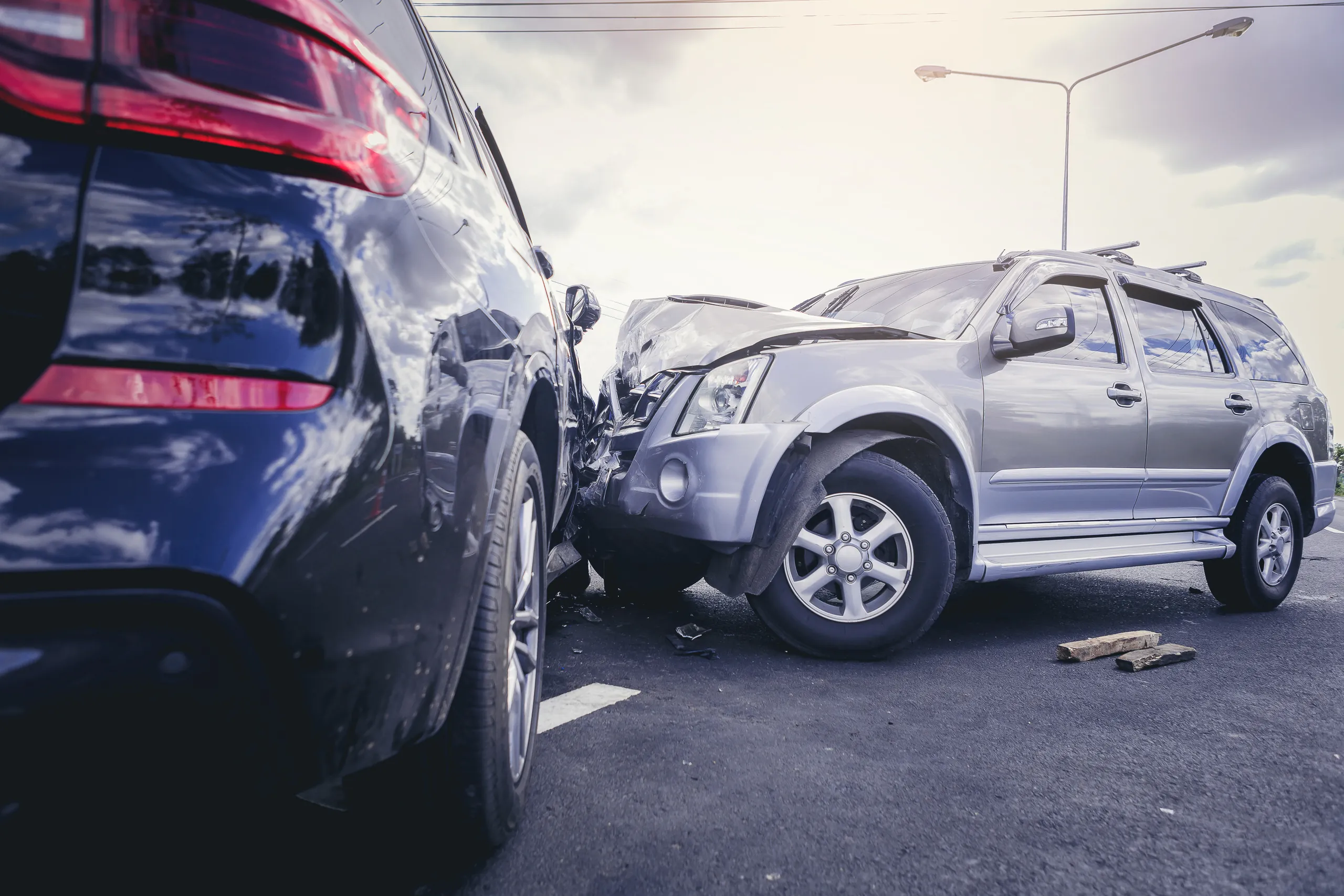
Once you’re safe and able to move around, begin photographing the scene. Don’t wait until the cars are towed or the cleanup crew arrives. Include photos of injuries, car damage, street signs, weather, and traffic patterns.
If anyone stops to help or observes the accident, ask for their contact information and if they’d be willing to provide a statement. Their testimony may become crucial if the other party disputes fault.
Cooperate fully with responding officers, and ensure the report is filed. Ask for a copy or a report number so you can retrieve it later from the local department.
Save all files to a secure cloud storage platform. Do not alter images or edit videos—these should remain in their original state to maintain credibility and admissibility.
The sooner you talk to a lawyer, the better your chances of preserving evidence legally and building a strong claim. They can help request surveillance footage, subpoena witness records, and guide your next moves.
The evidence most critical to your case is often the most perishable. Here’s what disappears quickly:
The longer you wait, the more gaps appear in your documentation. These gaps can raise doubts in the minds of adjusters, judges, or juries.
For evidence to be valid in court, you must prove it was collected and stored properly. This is known as maintaining a chain of custody.
A broken chain of custody can allow the opposing party to argue that:
To maintain a clean chain:
Your attorney will help organize and present your evidence in a way that complies with court standards.
Filing a personal injury claim begins with notifying your insurance company and may include opening a case with the other driver’s insurer. This starts the negotiation process, where you’ll present:
Your attorney may also draft a demand letter that outlines the facts of the case and the compensation being sought. If the insurance company fails to offer a fair settlement, your lawyer can escalate the matter by filing a formal lawsuit. The sooner you begin this process, the easier it is to stay within deadlines and avoid losing access to crucial evidence.
Personal injury compensation is designed to make you whole after an accident. It typically falls into these categories:
Each case is different, and your compensation depends on the quality of your evidence, the severity of your injuries, and the skill of your legal team.
Even seemingly minor accidents can cause serious injuries. Some common examples include:
Prompt medical care is vital not only for your health but also for proving the injuries were crash-related.
What should I do if I didn’t take photos at the scene?
If you missed the opportunity to take photos, don’t panic. You can still gather valuable evidence. Request dash cam or surveillance footage as soon as possible. Speak to any witnesses and document your injuries and vehicle damage through medical records and repair shop estimates. Return to the scene if safe, and photograph road conditions, signage, and traffic signals. Your lawyer can also help reconstruct the event using available tools and expert analysis.
Is a police report required to file a claim?
While not legally mandatory in every case, a police report can significantly strengthen your claim. It serves as an official, third-party record of the crash and often includes fault determinations, citations issued, and diagrams of the accident. Most insurance companies will require one before approving significant settlements. In lawsuits, it becomes an essential supporting document.
How soon should I speak to a lawyer?
Ideally, you should contact a personal injury attorney within 24 to 48 hours of the accident. Early involvement allows your attorney to guide evidence preservation, protect you from saying anything that may hurt your case, and meet filing deadlines. Most personal injury lawyers work on a contingency fee basis, meaning you don’t pay unless you win, so there’s no downside to getting professional advice early.
Can I still recover compensation if I was partially at fault?
Yes, in many states that follow comparative negligence rules, you can still recover compensation even if you were partially at fault. Your compensation will simply be reduced by your percentage of fault. For example, if you were 20% responsible for the accident and your damages total $100,000, you could still recover $80,000. A skilled attorney can help minimize your liability and maximize your recovery.
What happens if I delay medical treatment?
Delaying treatment can severely harm both your health and your claim. Insurance companies may argue that your injuries aren’t related to the accident or weren’t serious. Additionally, untreated injuries may worsen over time. Always seek immediate medical attention and follow all care recommendations. This also ensures that there’s a strong medical record linking your injuries directly to the crash.
Car accidents are stressful, but taking the right steps early can make a dramatic difference in your outcome. By preserving critical evidence, understanding the legal process, and documenting everything thoroughly, you’re not just protecting your case—you’re protecting your future.
If you’ve been involved in a car accident and are considering filing a claim, don’t wait. Our qualified personal injury lawyer can help you preserve evidence, build a strong case, and pursue the compensation you deserve.
Schedule a free consultation today to take the first step toward protecting your health, your finances, and your legal rights.